


Pickling is an age - old preservation technique that not only extends the shelf - life of vegetables but also imparts unique flavors. As a Tangerine Orange Cell Sacs supplier, I'm often asked about the vegetables that can be pickled with these delightful sacs. Tangerine orange cell sacs are rich in natural sugars, acids, and essential oils, which can bring a fresh and citrusy twist to the pickling process.
1. Cucumbers
Cucumbers are one of the most popular vegetables for pickling. Their mild flavor makes them an excellent base to absorb the flavors of tangerine orange cell sacs. When pickled with tangerine orange cell sacs, cucumbers take on a sweet - tart flavor profile. The natural acids in the tangerine orange sacs help to break down the cucumber's cell walls slightly, resulting in a more tender yet still crisp texture.
To pickle cucumbers with tangerine orange cell sacs, start by slicing the cucumbers into your desired shape, whether it's rounds, spears, or chips. Place the cucumber slices in a jar. Then, add a handful of 3 Kg Tangerine Orange Sacs. Pour in a brine made of water, vinegar, and a bit of salt. The tangerine orange sacs will release their juices into the brine, infusing the cucumbers with their citrusy goodness. After a few days in the refrigerator, you'll have delicious tangerine - pickled cucumbers that are perfect as a snack or a side dish.
2. Carrots
Carrots are another vegetable that pairs well with tangerine orange cell sacs. Their natural sweetness is complemented by the tartness of the tangerine oranges. The vibrant orange color of the carrots also adds a pop of color to the pickling jar.
When pickling carrots, you can use whole baby carrots or cut larger carrots into sticks. Pack the carrots tightly into a jar. Add 3 Kg Tangerine Orange Sacs with 8 Brix. The 8 - brix sacs have a balanced sugar content that will enhance the pickling process. Make a brine with a mix of vinegar, water, and spices like peppercorns and mustard seeds. Pour the brine over the carrots and sacs. The tangerine orange flavor will gradually seep into the carrots, creating a unique pickled carrot that can be used in salads, sandwiches, or as a standalone snack.
3. Radishes
Radishes have a peppery bite that can be mellowed and enhanced by pickling with tangerine orange cell sacs. The citrusy flavor of the tangerine oranges cuts through the radish's spiciness, resulting in a more well - rounded flavor.
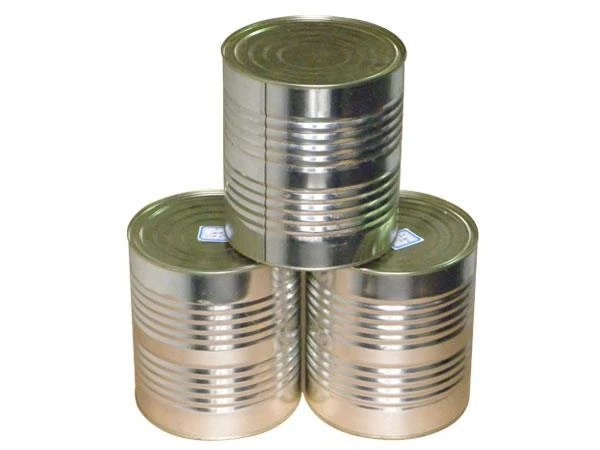
Slice the radishes thinly and place them in a jar. Add 60 Percent D.W. Canned 3 Kg Tangerine Orange Sacs. The canned sacs are convenient and have a consistent quality. Create a brine with rice vinegar, water, and a touch of honey for sweetness. Pour the brine over the radishes and sacs. In just a day or two, the radishes will transform into tangy, sweet - tart pickles that are great on top of tacos, in a charcuterie board, or as a garnish for a salad.
4. Bell Peppers
Bell peppers come in a variety of colors, each with its own unique flavor. Whether it's the sweet red peppers, the slightly bitter green ones, or the vibrant yellow and orange varieties, they all can be pickled with tangerine orange cell sacs.
Cut the bell peppers into strips or chunks. Place them in a jar along with the tangerine orange sacs. The sacs will add a burst of citrus flavor to the peppers. Use a brine made of white vinegar, water, and salt. The pickled bell peppers can be used in stir - fries, on pizzas, or in a Mediterranean - style salad.
5. Green Beans
Green beans are a versatile vegetable that can be pickled to preserve their freshness and add flavor. When pickled with tangerine orange cell sacs, they develop a tangy and citrusy taste.
Trim the ends of the green beans and blanch them briefly in boiling water before placing them in a jar. Add the tangerine orange sacs and a brine made of apple cider vinegar, water, and a bit of sugar. The pickled green beans can be served as a cold salad, added to a sandwich, or used as a topping for a baked potato.
6. Cauliflower
Cauliflower has a mild, almost neutral flavor, which makes it an ideal candidate to absorb the flavors of tangerine orange cell sacs. When pickled, cauliflower takes on a sweet - tart flavor and a slightly softened texture.
Break the cauliflower into florets and place them in a jar. Combine the florets with tangerine orange sacs and a brine made of distilled white vinegar, water, and pickling spices like cloves and cinnamon. The pickled cauliflower can be used in curries, as a topping for a grain bowl, or simply eaten as a snack.
7. Onions
Onions, especially red onions, have a sharp flavor that can be mellowed through pickling. When pickled with tangerine orange cell sacs, they become sweet, tangy, and less pungent.
Slice the red onions thinly and layer them in a jar with tangerine orange sacs. Use a brine made of red wine vinegar, water, and a pinch of salt. The pickled onions can be used in burgers, on top of grilled meats, or in a Mexican - style salsa.
The Science Behind Pickling with Tangerine Orange Cell Sacs
The pickling process is based on the principle of osmosis and the action of acids. The natural acids in the tangerine orange cell sacs, such as citric acid, lower the pH of the brine. This acidic environment inhibits the growth of harmful bacteria and fungi, which helps to preserve the vegetables. At the same time, the sugars in the tangerine orange sacs add a sweet note to the pickles. The essential oils in the sacs also contribute to the overall aroma and flavor of the pickled vegetables.
Contact for Procurement
If you're interested in purchasing tangerine orange cell sacs for your pickling business or personal use, I encourage you to reach out for procurement discussions. Our tangerine orange cell sacs are of the highest quality, sourced from the best orchards. We offer a range of products, including the 3 Kg Tangerine Orange Sacs, 3 Kg Tangerine Orange Sacs with 8 Brix, and 60 Percent D.W. Canned 3 Kg Tangerine Orange Sacs. We can work with you to meet your specific requirements, whether it's for a small - scale home pickling project or a large - scale commercial operation. Please don't hesitate to contact us to start the procurement conversation.

References
- "The Art of Pickling" by Linda Ziedrich
- "Preserving the Harvest" by Steve Maxwell
- "Food Science and Technology" textbooks for information on the pickling process and the role of acids and sugars in food preservation.