


In the world of food products, the topic of genetic modification often sparks intense debate and curiosity among consumers. As a supplier of 18 L Ponkan Orange Sacs, I frequently encounter questions from customers regarding whether our product is genetically modified. In this blog post, I aim to provide a comprehensive and scientific explanation to address this concern.
Understanding Genetic Modification
Genetic modification, also known as genetic engineering, involves the direct manipulation of an organism's genes using biotechnology. This process can introduce new traits or modify existing ones in a way that does not occur naturally through traditional breeding methods. Genetically modified organisms (GMOs) are often created to enhance characteristics such as resistance to pests, tolerance to herbicides, or to improve nutritional content.
Consumers have valid concerns about GMOs, including potential health risks, environmental impacts, and ethical considerations. As a result, there is a growing demand for non - genetically modified food products. When it comes to our 18 L Ponkan Orange Sacs, it's important to understand the origin and production process to determine if they are genetically modified.
The Origin of Ponkan Oranges
Ponkan oranges, also known as mandarin oranges, are a popular citrus fruit with a long history of cultivation. They originated in China and have been grown for centuries through traditional breeding techniques. Traditional breeding involves cross - pollinating different varieties of plants to combine desirable traits. This process occurs over many generations and relies on natural genetic variation within the species.
Our Ponkan oranges are sourced from carefully selected orchards where farmers follow strict agricultural practices. These practices are based on time - tested methods that have been used for generations. There is no genetic engineering involved in the cultivation of the Ponkan oranges used in our 18 L Ponkan Orange Sacs. The farmers focus on providing the right growing conditions, such as proper soil management, irrigation, and pest control using natural or approved pesticides.
Production Process of 18 L Ponkan Orange Sacs
Once the Ponkan oranges are harvested at the peak of their ripeness, they are transported to our processing facility. At the facility, the oranges go through a series of steps to produce the orange sacs.
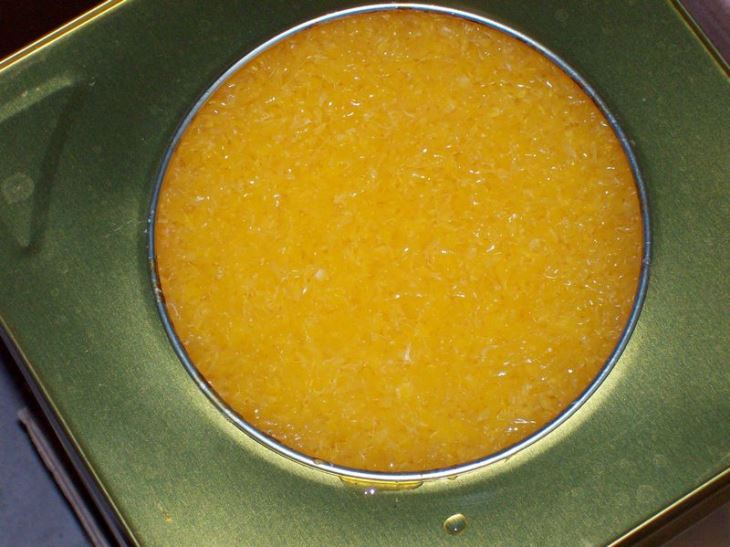
First, the oranges are washed thoroughly to remove any dirt or debris. Then, they are carefully peeled, and the segments are separated. The sacs are extracted from the segments, and they are then packed into 18 L containers. Throughout this process, there is no genetic modification taking place. We use only natural ingredients and follow strict food safety and quality standards.
The light syrup used in some of our products, such as the 18 L Mandarin Orange Sacs in Light Syrup, is made from natural sugars and water. This syrup is added to enhance the flavor and preserve the freshness of the orange sacs. It does not contain any genetically modified components.

Scientific Evidence of Non - GMO Status
There have been numerous scientific studies on citrus fruits, including Ponkan oranges. These studies have shown that the genetic makeup of these fruits remains within the natural range of variation for the species. There is no evidence to suggest that Ponkan oranges have been genetically modified.
Furthermore, our products can be tested by independent laboratories to verify their non - GMO status. We are committed to providing transparent information to our customers, and we are willing to share the test results upon request. This ensures that our customers can have confidence in the non - genetically modified nature of our 18 L Ponkan Orange Sacs.
Benefits of Non - GMO 18 L Ponkan Orange Sacs
Non - genetically modified products offer several benefits. From a health perspective, non - GMO foods are often perceived as more natural and less likely to have unknown health effects. Our 18 L Ponkan Orange Sacs are a rich source of vitamin C, antioxidants, and other nutrients that are beneficial for overall health.
From an environmental standpoint, non - GMO agriculture is generally more sustainable. Traditional breeding methods used in growing Ponkan oranges help maintain biodiversity in the orchards. The use of natural pest control methods reduces the impact on the ecosystem and helps protect beneficial insects and wildlife.
Applications of 18 L Ponkan Orange Sacs
Our 18 L Ponkan Orange Sacs have a wide range of applications. They are ideal for use in the food and beverage industry. For example, they can be used in the production of Mandarin Orange Sacs for Orange Juice. The orange sacs add a natural and refreshing flavor to the juice, as well as a pleasant texture.
They can also be used in desserts, such as fruit salads, ice creams, and yogurts. The bright color and sweet - tangy flavor of the Ponkan orange sacs make them a popular ingredient in many culinary creations. Additionally, our 18 Kg Mandarin Orange Sacs are suitable for large - scale food production facilities.
Quality Assurance
We take quality assurance very seriously. Our processing facility is equipped with state - of - the - art equipment to ensure that the orange sacs are of the highest quality. We have a team of experienced quality control personnel who monitor every step of the production process.
We also comply with all relevant food safety regulations and standards. This includes proper storage and transportation to maintain the freshness and quality of the 18 L Ponkan Orange Sacs. Our commitment to quality is evident in the consistently high - quality products that we deliver to our customers.
Contact for Procurement
If you are interested in purchasing our 18 L Ponkan Orange Sacs for your business, we would be delighted to have a conversation with you. Whether you are a juice manufacturer, a dessert producer, or a distributor, our products can meet your needs. We offer competitive prices, reliable supply, and excellent customer service. Please feel free to reach out to us to discuss your specific requirements and start the procurement process.
References
- "Citrus Fruits: Biology, Technology, and Evaluation" by Jude W. Grosser and Frederick G. Gmitter Jr.
- Scientific studies on citrus fruit genetics from peer - reviewed journals such as the "Journal of the American Society for Horticultural Science"