


When it comes to the shelf - life of opened 18 L Mandarin Orange Sacs, it's a question that many customers, from small - scale retailers to large - scale food manufacturers, often ask. As a supplier of 18 L Mandarin Orange Sacs, I'm here to provide you with a comprehensive answer based on scientific knowledge and practical experience.
Factors Affecting the Shelf - Life of Opened 18 L Mandarin Orange Sacs
1. Storage Temperature
Temperature plays a crucial role in determining how long the opened 18 L Mandarin Orange Sacs will last. Mandarin orange sacs are perishable products, and bacteria, yeasts, and molds can grow rapidly under favorable temperature conditions.
If stored at room temperature (around 20 - 25°C), the opened 18 L Mandarin Orange Sacs will have a relatively short shelf - life. Microorganisms can multiply quickly in this environment, and the sacs may start to show signs of spoilage within 1 - 2 days. The orange sacs may develop an off - odor, change in color, or become mushy.
On the other hand, refrigeration can significantly extend the shelf - life. When stored in a refrigerator at a temperature of 2 - 4°C, the growth of microorganisms is slowed down. Under these conditions, the opened 18 L Mandarin Orange Sacs can last for about 7 - 10 days. The cold temperature inhibits the metabolic activities of bacteria and other spoilage agents, keeping the sacs fresh for a longer period.
2. Packaging and Sealing
After opening the 18 L container of Mandarin Orange Sacs, proper packaging and sealing are essential. If the container is not sealed tightly, air can enter, which can introduce oxygen and microorganisms. Oxygen can cause oxidation of the orange sacs, leading to color changes and a loss of flavor.
Using air - tight containers or resealable bags to store the remaining orange sacs can help maintain their quality. If possible, try to remove as much air as possible from the storage container before sealing it. This reduces the oxygen available for spoilage organisms and slows down the oxidation process.
3. Hygiene During Handling
The way the 18 L Mandarin Orange Sacs are handled after opening also affects their shelf - life. Using clean utensils to scoop out the sacs is crucial. Dirty spoons or ladles can introduce bacteria from the outside environment into the container, accelerating spoilage.
It's also important to avoid touching the orange sacs with dirty hands. Our hands can carry a variety of microorganisms, and transferring them to the sacs can lead to contamination. Always wash your hands thoroughly before handling the opened Mandarin Orange Sacs.
Quality Changes Over Time
1. Flavor
As the opened 18 L Mandarin Orange Sacs age, their flavor will gradually change. In the first few days after opening, the sacs will retain their fresh, citrusy flavor. However, as time passes, the flavor may start to become dull. Oxidation can cause the breakdown of flavor compounds in the orange sacs, resulting in a less intense and less appealing taste.
2. Texture
The texture of the Mandarin Orange Sacs can also be affected. Freshly opened sacs are plump and have a firm yet tender texture. But as spoilage progresses, the sacs may become soft and mushy. This is due to the action of enzymes and microorganisms that break down the cell walls of the orange sacs.
3. Color
The bright orange color of the Mandarin Orange Sacs is one of their most appealing features. However, over time, the color may fade or change. Oxidation can cause the orange pigments to break down, resulting in a duller color. In some cases, the sacs may even develop brown or black spots, indicating spoilage.
Comparison with Other Similar Products
We also offer 18 Kg Mandarin Orange Sacs and 18 L Mandarin Orange Sacs in Light Syrup. The shelf - life of these products after opening is also influenced by the same factors as the regular 18 L Mandarin Orange Sacs.
The 18 Kg Mandarin Orange Sacs, although having a larger quantity, follow the same rules regarding storage temperature, packaging, and handling. The light syrup in the 18 L Mandarin Orange Sacs in Light Syrup can act as a preservative to some extent. The sugar in the syrup creates a hypertonic environment that can inhibit the growth of some microorganisms. As a result, these sacs may last a bit longer than the regular ones under the same storage conditions, perhaps an additional 1 - 2 days in the refrigerator.
Tips for Prolonging the Shelf - Life
1. Portioning
If you don't plan to use all the 18 L Mandarin Orange Sacs at once, consider portioning them into smaller containers before storing them in the refrigerator. This way, you only need to open one small container at a time, reducing the exposure of the remaining sacs to air and potential contamination.

2. Adding Citric Acid
Adding a small amount of citric acid to the storage container can help preserve the color and flavor of the Mandarin Orange Sacs. Citric acid is a natural antioxidant that can prevent oxidation and inhibit the growth of some microorganisms. However, make sure to use the appropriate amount, as too much citric acid can affect the taste of the sacs.
Our Products: Mandarin Orange Cell Sacs
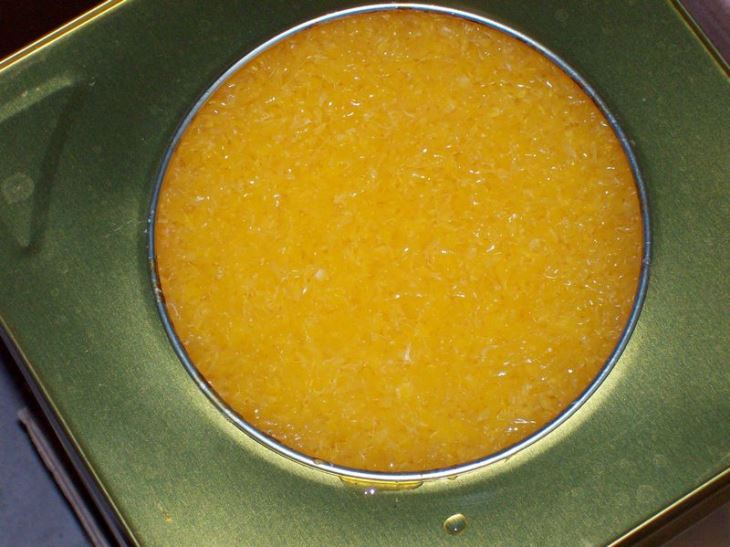
Our Mandarin Orange Cell Sacs are carefully processed to ensure high quality. We source the freshest mandarin oranges and use advanced processing techniques to preserve their natural flavor and texture. Our 18 L containers are designed to keep the sacs fresh during transportation and storage.
Whether you are a bakery looking to add a citrusy touch to your pastries, a beverage manufacturer creating new orange - flavored drinks, or a retailer selling ready - to - eat fruit products, our Mandarin Orange Cell Sacs are an excellent choice.
Conclusion
In conclusion, the shelf - life of opened 18 L Mandarin Orange Sacs can vary depending on storage temperature, packaging, and handling. By following the proper storage and handling guidelines, you can extend the shelf - life of these delicious orange sacs and enjoy their fresh flavor for a longer time.
If you are interested in purchasing our 18 L Mandarin Orange Sacs or have any questions about our products, please feel free to contact us. We are always ready to discuss your specific needs and provide you with the best solutions for your business.
References
- "Food Microbiology: Fundamentals and Frontiers" by Michael P. Doyle and Lawrence R. Beuchat.
- "Principles of Food Processing" by R. Paul Singh and Dennis R. Heldman.
- "Fruit and Vegetable Processing Technology" by Y.H. Hui.