


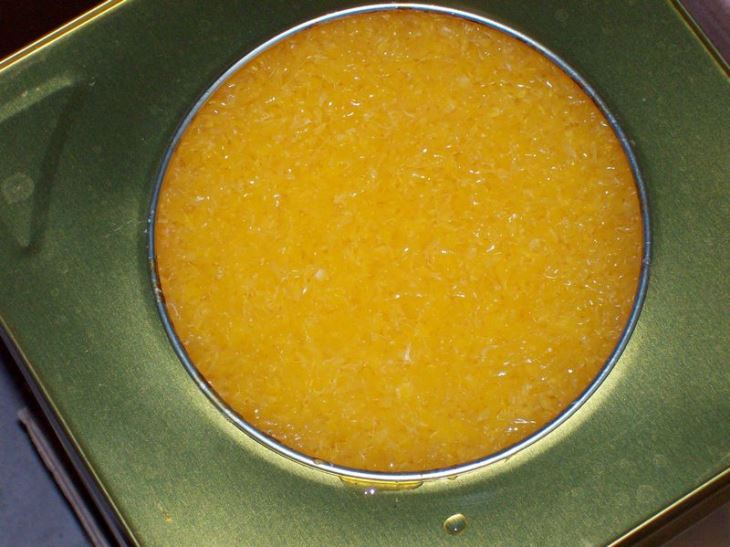
As a supplier of Mandarin Orange Cell Sacs, I often get asked about the chemical composition of these delightful little sacs. Mandarin orange cell sacs are not only a delicious addition to various food products but also a subject of scientific interest due to their unique chemical makeup. In this blog post, I will delve into the chemical components that make up mandarin orange cell sacs, exploring their nutritional value and potential health benefits.
Water
Water is the most abundant component in mandarin orange cell sacs, typically accounting for about 85 - 90% of their total weight. This high water content is essential for maintaining the sacs' structure and texture, giving them a juicy and refreshing quality. Water also plays a crucial role in transporting nutrients within the cells and facilitating various biochemical reactions.
Carbohydrates
Carbohydrates are another major component of mandarin orange cell sacs. They are present in the form of simple sugars such as glucose, fructose, and sucrose, which contribute to the sweet taste of the sacs. These sugars are a quick source of energy for the body and are easily digested. In addition to simple sugars, mandarin orange cell sacs also contain dietary fiber, which is important for digestive health. Dietary fiber can help prevent constipation, lower cholesterol levels, and regulate blood sugar levels.
Vitamins
Mandarin orange cell sacs are rich in vitamins, particularly vitamin C. Vitamin C is a powerful antioxidant that helps protect the body against damage from free radicals, which can cause oxidative stress and lead to various diseases such as cancer, heart disease, and aging. A single serving of mandarin orange cell sacs can provide a significant portion of the recommended daily intake of vitamin C. In addition to vitamin C, mandarin orange cell sacs also contain small amounts of other vitamins such as vitamin A, vitamin B6, and folate.
Minerals
Minerals are essential nutrients that play a vital role in many bodily functions. Mandarin orange cell sacs contain several important minerals, including potassium, calcium, and magnesium. Potassium is important for maintaining proper heart function and blood pressure, while calcium is essential for strong bones and teeth. Magnesium is involved in over 300 biochemical reactions in the body and is important for energy production, muscle function, and nerve transmission.
Phytochemicals
Phytochemicals are natural compounds found in plants that have been shown to have various health benefits. Mandarin orange cell sacs contain several phytochemicals, including flavonoids and carotenoids. Flavonoids are a group of antioxidants that have anti - inflammatory, anti - cancer, and anti - microbial properties. Carotenoids, such as beta - carotene, are precursors to vitamin A and also have antioxidant activity. These phytochemicals may help reduce the risk of chronic diseases and promote overall health.
Organic Acids
Organic acids are also present in mandarin orange cell sacs and contribute to their characteristic tart flavor. The main organic acids found in mandarin oranges are citric acid and malic acid. These acids not only add flavor but also have some health benefits. Citric acid can enhance the absorption of minerals in the body, while malic acid is involved in energy metabolism.

Lipids
Although lipids are present in relatively small amounts in mandarin orange cell sacs, they still play an important role. The lipids in mandarin orange cell sacs are mainly in the form of fatty acids, which are essential for cell membrane structure and function. Some of the fatty acids found in mandarin oranges may also have health benefits, such as reducing inflammation and improving heart health.
Proteins
Proteins are the building blocks of the body and are involved in many important functions such as growth, repair, and immune function. While mandarin orange cell sacs do not contain a large amount of protein, they still provide a small but significant source. The proteins in mandarin orange cell sacs are made up of various amino acids, some of which are essential and must be obtained from the diet.
Applications in the Food Industry
The unique chemical composition of mandarin orange cell sacs makes them a valuable ingredient in the food industry. They can be used in a variety of products, including juices, jams, jellies, desserts, and beverages. For example, our Natural Sweet Canned 18 Kg Mandarin Orange Sacs are a popular choice for food manufacturers looking to add a natural and delicious flavor to their products. Our 18 Kg Mandarin Orange Sacs are also suitable for large - scale production, offering a convenient and cost - effective solution.
Health Benefits
The chemical composition of mandarin orange cell sacs also translates into numerous health benefits. The high vitamin C content helps boost the immune system, making the body more resistant to infections. The dietary fiber promotes healthy digestion and can help with weight management. The antioxidants and phytochemicals have been associated with a reduced risk of chronic diseases such as heart disease, cancer, and diabetes.
Conclusion
In conclusion, the chemical composition of mandarin orange cell sacs is a complex and fascinating topic. From water and carbohydrates to vitamins, minerals, phytochemicals, and more, each component plays a unique role in the sacs' taste, texture, and health benefits. As a supplier of Mandarin Orange Cell Sacs, I am proud to offer a product that is not only delicious but also packed with nutrients.
If you are interested in purchasing mandarin orange cell sacs for your food business, I encourage you to contact us for a detailed discussion. We can provide you with samples, discuss your specific requirements, and offer competitive pricing. Let's work together to bring the natural goodness of mandarin orange cell sacs to your products.
References
- USDA National Nutrient Database for Standard Reference
- "The Chemistry of Citrus Fruits" by John P. Beecher
- "Phytochemicals in Human Health and Disease Prevention" edited by H. P. Vasanthi