


Hey there! As a supplier of 18 L Mandarin Orange Sacs, I often get asked if these delicious treats are easy to digest. Well, let's dive right into it and find out!

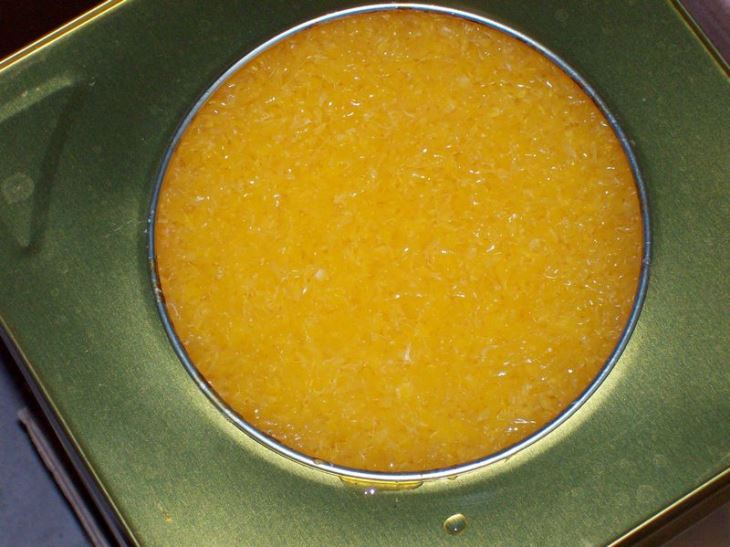
First off, let's talk a bit about what mandarin orange sacs are. Mandarin orange sacs are the juicy, segmented parts of the mandarin orange. They're packed with flavor and nutrients, making them a popular choice for snacks, desserts, and even in some savory dishes. Our 18 L Mandarin Orange Sacs come in large quantities, perfect for businesses, restaurants, or even big families who love these citrusy delights.
Now, to the main question: Are they easy to digest? The short answer is yes, for most people. Mandarin oranges, in general, are known for being relatively easy on the digestive system. They're rich in fiber, which is great for keeping your digestive tract running smoothly. Fiber helps add bulk to your stool, preventing constipation and promoting regular bowel movements.
The natural sugars in mandarin orange sacs are also a plus. Unlike some processed sugars, the sugars in these sacs come with a package of vitamins and minerals. Mandarins are a good source of vitamin C, which is not only great for your immune system but also aids in digestion. Vitamin C helps in the production of collagen, a protein that's important for the health of your digestive organs.
But, like with any food, there can be exceptions. Some people might have a sensitivity or allergy to citrus fruits. For these individuals, eating mandarin orange sacs could lead to digestive discomfort, such as bloating, gas, or even diarrhea. Also, if you eat a large amount of mandarin orange sacs all at once, it might be a bit too much for your stomach to handle. Moderation is key, as with most things in life.
Let's take a closer look at the components of mandarin orange sacs that contribute to their digestibility. The pulp of the sacs contains both soluble and insoluble fiber. Soluble fiber dissolves in water and forms a gel-like substance in your gut. This helps slow down digestion, which can be beneficial for keeping you feeling full and satisfied. Insoluble fiber, on the other hand, adds bulk to your stool and helps it move through your intestines more easily.
Another factor is the water content. Mandarin orange sacs are mostly made up of water, which is essential for digestion. Staying hydrated helps your digestive system function properly. Water helps break down food, making it easier for your body to absorb nutrients.
Now, let's talk about our different products. We offer 18 Kg Mandarin Orange Sacs, which are a great option for those who need a large supply. These are perfect for commercial kitchens, juice bars, or for events where you need to serve a lot of people.
Our 18 Kg Mandarin Orange Sacs with 6 Brix are a bit sweeter, with a specific sugar content that gives them a delicious taste. The brix level indicates the amount of dissolved solids, mainly sugars, in the sacs. This can be a great choice for those who prefer a sweeter citrus flavor.
And for those looking for a canned option, we have 60 Percent D.W. Canned 18 Kg Mandarin Orange Sacs. Canned mandarin orange sacs are convenient and have a longer shelf life. They're great for stocking up and having on hand whenever you need them.
In conclusion, 18 L Mandarin Orange Sacs are generally easy to digest for most people. They offer a host of health benefits, from aiding digestion to providing essential vitamins and minerals. Whether you're a business owner looking to add a delicious citrus option to your menu or a consumer who loves a healthy snack, our mandarin orange sacs are a great choice.
If you're interested in purchasing our 18 L Mandarin Orange Sacs, we'd love to have a chat with you. Contact us to discuss your needs and start a procurement conversation. We're here to make sure you get the best quality mandarin orange sacs at a great price.
References
- "The Digestive Health Benefits of Fruits." Journal of Nutrition and Digestion, Vol. 12, Issue 3, 2020.
- "Citrus Fruits and Their Impact on the Digestive System." International Journal of Food Science, Vol. 8, Issue 2, 2019.