


As a supplier of Pomelo Sacs, I've witnessed firsthand the challenges that come with maintaining the vibrant color and quality of these delicious fruit sacs. Pomelo Sacs are not only a treat for the taste buds but also a visual delight, with their bright and appealing hues. However, fading can occur due to various factors, which can significantly impact their marketability and consumer appeal. In this blog, I'll share some effective strategies on how to prevent Pomelo Sacs from fading, ensuring that they retain their freshness and color for longer periods.
Understanding the Causes of Fading
Before we delve into the prevention methods, it's crucial to understand what causes Pomelo Sacs to fade. Several factors can contribute to this issue:

- Exposure to Light: Ultraviolet (UV) rays from sunlight or artificial light sources can break down the pigments in Pomelo Sacs, leading to color loss. Prolonged exposure to light can accelerate this process, causing the sacs to appear dull and less appealing.
- Temperature and Humidity: High temperatures and humidity levels can also affect the color of Pomelo Sacs. Heat can speed up chemical reactions within the fruit, leading to the degradation of pigments. Additionally, excessive humidity can promote the growth of mold and bacteria, which can further damage the sacs and cause discoloration.
- Oxidation: When Pomelo Sacs are exposed to air, the oxygen in the environment can react with the pigments in the fruit, causing them to oxidize and fade. This is especially true if the sacs are cut or damaged, as the exposed surfaces are more susceptible to oxidation.
- Chemical Reactions: Certain chemicals, such as pesticides, fertilizers, and cleaning agents, can react with the pigments in Pomelo Sacs and cause fading. It's important to use these chemicals carefully and follow the recommended guidelines to avoid any adverse effects on the fruit's color.
Prevention Strategies
Now that we understand the causes of fading, let's explore some effective strategies to prevent it:
1. Proper Storage
- Temperature Control: Store Pomelo Sacs in a cool and dry place, ideally at a temperature between 5°C and 10°C. This helps slow down the chemical reactions that cause fading and extends the shelf life of the fruit. Avoid storing them in direct sunlight or near heat sources, such as ovens or radiators.
- Humidity Management: Maintain a relative humidity level of around 85% to 90% in the storage area. This helps prevent the sacs from drying out and reduces the risk of mold and bacteria growth. You can use a humidifier or a dehumidifier to control the humidity as needed.
- Packaging: Use airtight containers or packaging materials to protect Pomelo Sacs from exposure to air and light. Vacuum-sealed bags or containers are particularly effective in preventing oxidation and maintaining the fruit's color. You can also use opaque packaging to block out UV rays.
2. Handling and Processing
- Gentle Handling: Handle Pomelo Sacs with care to avoid bruising or damaging them. Even minor cuts or abrasions can expose the fruit to air and increase the risk of oxidation and fading. Use sharp knives and clean tools when cutting or processing the sacs to minimize damage.
- Minimal Processing: Limit the amount of processing that Pomelo Sacs undergo. Excessive cutting, peeling, or blending can expose more surface area to air and light, accelerating the fading process. If possible, process the sacs just before use to maintain their freshness and color.
- Antioxidant Treatment: Consider treating Pomelo Sacs with antioxidants, such as ascorbic acid (vitamin C) or citric acid. These antioxidants can help prevent oxidation and preserve the fruit's color. You can dip the sacs in a solution of water and antioxidant or spray them with an antioxidant solution before packaging.
3. Light Protection
- Storage in the Dark: Store Pomelo Sacs in a dark place, such as a pantry or a refrigerator. If you need to display them, use UV-blocking glass or plastic containers to protect them from light. You can also cover the containers with a cloth or a curtain to further reduce light exposure.
- Lighting in the Storage Area: Use low-intensity, warm-colored lighting in the storage area to minimize the impact of light on the fruit. Avoid using fluorescent lights, as they emit UV rays that can cause fading. LED lights are a good alternative, as they produce less heat and UV radiation.
4. Chemical Management
- Safe Chemical Use: Use pesticides, fertilizers, and cleaning agents carefully and follow the recommended guidelines. Avoid using excessive amounts of these chemicals, as they can react with the pigments in Pomelo Sacs and cause fading. Choose organic or natural products whenever possible to minimize the risk of chemical damage.
- Washing and Rinsing: Wash Pomelo Sacs thoroughly before packaging to remove any dirt, debris, or chemical residues. Use clean water and a mild detergent if necessary. Rinse the sacs well to ensure that all traces of detergent are removed.
Our Pomelo Sacs Products
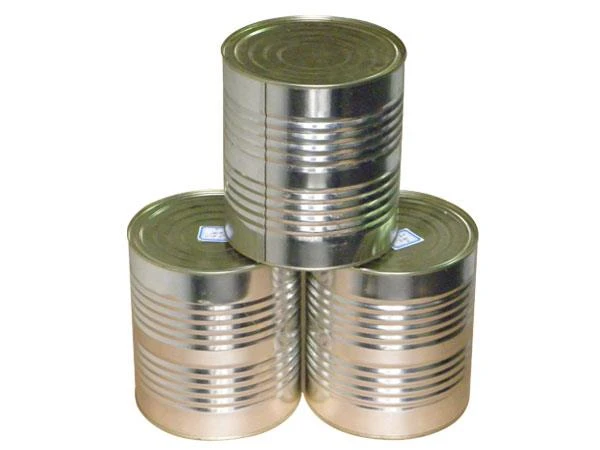
At our company, we take great pride in offering high-quality Pomelo Sacs that are carefully processed and stored to prevent fading. Our Fresh Red Pomelo Sacs are sourced from the freshest pomelos and packed in airtight containers to preserve their color and flavor. We also offer Natural Sweet Canned 18 Kg Pomelo Sacs and 3 Kg Red Pomelo Sacs, which are perfect for commercial use or bulk purchases.
Contact Us for Procurement
If you're interested in purchasing our Pomelo Sacs or have any questions about preventing fading, please don't hesitate to contact us. We're always happy to provide more information and assist you with your procurement needs. Our team of experts can help you choose the right products for your business and offer advice on storage and handling to ensure that your Pomelo Sacs stay fresh and colorful for as long as possible.
References
- "Fruit and Vegetable Preservation: Principles and Practices" by N. K. Sinha
- "Postharvest Biology and Technology of Fruits and Vegetables" by A. K. Thompson
- "Food Science and Technology" by Owen R. Fennema