


As a supplier of 18 L Ponkan Orange Sacs, I've had countless inquiries about the sugar - to - acid ratio of our product. This ratio is not just a technical detail; it's a crucial factor that significantly impacts the taste, quality, and overall consumer experience of the orange juice made from these sacs.
Understanding the Sugar - to - Acid Ratio
The sugar - to - acid ratio is a measure of the balance between the natural sugars and acids present in the Ponkan oranges. In the context of our 18 L Ponkan Orange Sacs, this ratio determines how sweet or tart the resulting orange juice will be. A higher ratio indicates a sweeter juice, while a lower ratio means a more acidic and tart flavor.
The sugar content in our Ponkan Orange Sacs is typically measured using a unit called Brix. Brix is a scale that indicates the percentage of soluble solids in a liquid, which is mostly sugar in the case of orange juice. For our 18 Kg Mandarin Orange Sacs with 6 Brix, the 6 Brix value gives us an initial idea of the sugar level. However, to fully understand the flavor profile, we also need to consider the acid content.
The most common acid found in Ponkan oranges is citric acid. Measuring the acid content involves titration, a laboratory technique that determines the amount of acid in a sample. By comparing the sugar (Brix) and acid levels, we can calculate the sugar - to - acid ratio.
Factors Affecting the Sugar - to - Acid Ratio
Several factors influence the sugar - to - acid ratio of our 18 L Ponkan Orange Sacs. The first and most significant factor is the growing conditions of the Ponkan oranges. Oranges grown in regions with plenty of sunlight and well - drained soil tend to have a higher sugar content. Sunlight is essential for photosynthesis, the process by which plants produce sugars. So, oranges that receive more sunlight will generally be sweeter.
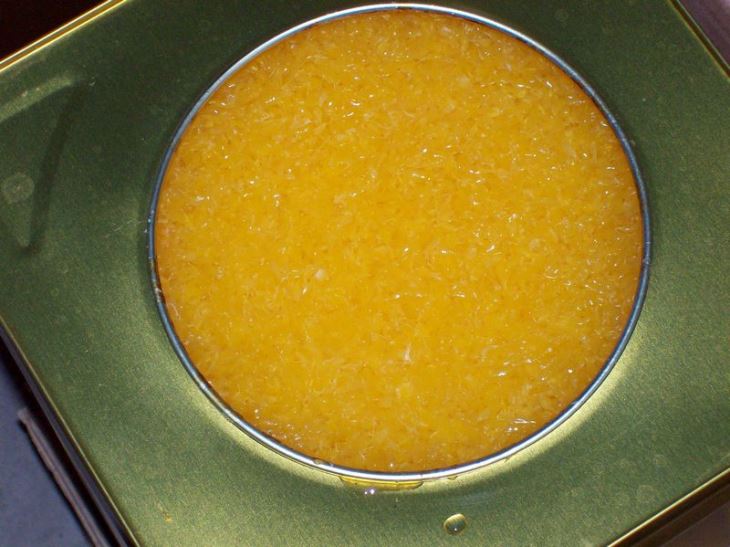

The stage of ripeness at which the oranges are harvested also plays a crucial role. As Ponkan oranges ripen, the sugar content increases while the acid content decreases. Therefore, harvesting the oranges at the optimal ripeness stage is vital to achieving the desired sugar - to - acid ratio. Our farmers are highly trained to identify the perfect time for harvesting, ensuring that the oranges in our 18 L Ponkan Orange Sacs have the best possible flavor.
Storage and processing conditions can also affect the ratio. After harvesting, the oranges are quickly processed to preserve their flavor and nutritional value. Improper storage, such as exposure to high temperatures or long - term storage, can cause the sugar content to decrease and the acid content to increase, altering the sugar - to - acid ratio.
Importance of the Sugar - to - Acid Ratio in the Market
The sugar - to - acid ratio is of utmost importance in the orange juice market. Consumers have different preferences when it comes to the taste of orange juice. Some prefer a sweeter juice, while others like a more tart and refreshing flavor. Our 18 L Ponkan Orange Sacs can be used to create a variety of orange juice products to meet these diverse consumer demands.
For juice manufacturers, the sugar - to - acid ratio is a key parameter in product formulation. They can adjust the ratio by blending our 18 L Ponkan Orange Sacs with other orange varieties or by adding sweeteners or acids during the processing. This flexibility allows them to create unique and high - quality orange juice products that stand out in the market.
Measuring and Controlling the Sugar - to - Acid Ratio
At our facility, we have a state - of - the - art laboratory where we regularly test the sugar - to - acid ratio of our 18 L Ponkan Orange Sacs. We use advanced equipment to measure the Brix and acid levels accurately. This data helps us ensure that each batch of our product meets the high - quality standards we have set.
To control the ratio, we work closely with our farmers. We provide them with detailed guidelines on growing and harvesting the Ponkan oranges. We also monitor the processing steps carefully to prevent any unwanted changes in the ratio. By having strict quality control measures in place, we can guarantee that our customers receive 18 L Ponkan Orange Sacs with a consistent and desirable sugar - to - acid ratio.
Applications of Our 18 L Ponkan Orange Sacs
Our 18 L Ponkan Orange Sacs are not only used for making fresh - squeezed orange juice but also have a wide range of other applications. They can be used in the production of orange juice concentrates, which are popular among food and beverage manufacturers. The sacs can also be incorporated into smoothies, cocktails, and even desserts like orange sorbets and cakes.
For those in the hospitality industry, such as hotels and restaurants, our Mandarin Orange Sacs for Orange Juice are a convenient and cost - effective solution. They can be easily stored and used to prepare fresh and delicious orange juice for their customers at any time.
Contact Us for Purchase and Negotiation
If you are interested in purchasing our 18 L Ponkan Orange Sacs, we would be more than happy to discuss your requirements. Our products are known for their high quality, consistent sugar - to - acid ratio, and excellent flavor. Whether you are a juice manufacturer, a food and beverage company, or a hospitality business, we can provide you with the perfect solution. Please feel free to reach out to us to start the procurement negotiation process. We look forward to working with you to meet your orange juice needs.
References
- Baldwin, E. A., & Plotto, A. (2012). Flavor of citrus fruit. In Citrus fruits: Biology, technology, and evaluation (pp. 431 - 462). Academic Press.
- Kader, A. A. (2002). Postharvest technology of horticultural crops. University of California, Division of Agriculture and Natural Resources.
- Maul, F., Goodner, K., Rouseff, R., & Nagy, S. (2000). Flavor changes in orange juice during storage: A review. Journal of Agricultural and Food Chemistry, 48(4), 1145 - 1151.