


As a supplier of 18 L Tangerine Orange Sacs, I often get asked the question: "Are 18 L Tangerine Orange Sacs free of pesticides?" This is a crucial concern for consumers, as the presence of pesticides can have significant implications for health and the environment. In this blog post, I will delve into this topic, providing scientific insights and sharing our practices as a supplier.
Understanding Pesticide Use in Tangerine Orange Production
Pesticides are chemicals used to control pests, diseases, and weeds in agricultural production. In the case of tangerine oranges, pesticides may be applied to protect the fruit from insects, fungi, and other threats. However, the use of pesticides is a double - edged sword. On one hand, it can help ensure a good harvest and high - quality fruit. On the other hand, improper use of pesticides can lead to residues on the fruit, which may pose risks to human health and the environment.
The type and amount of pesticides used in tangerine orange production can vary depending on several factors. These include the region where the oranges are grown, local pest and disease pressure, and the farming practices employed. For example, in areas with high pest infestations, more pesticides may be required to protect the crop.
Regulations and Monitoring of Pesticide Residues
In most countries, there are strict regulations regarding the use of pesticides in agriculture. These regulations set maximum residue limits (MRLs) for different pesticides on various fruits and vegetables, including tangerine oranges. Farmers are required to follow these regulations when applying pesticides to their crops.
Monitoring of pesticide residues is also an important part of the food safety system. Government agencies and independent laboratories regularly test fruits and vegetables for pesticide residues to ensure that they comply with the established MRLs. For 18 L Tangerine Orange Sacs, which are derived from tangerine oranges, the same standards apply. If the tangerine oranges used to make the sacs have excessive pesticide residues, the final product cannot be sold in the market.
Our Approach as a Supplier
At our company, we are committed to providing high - quality 18 L Tangerine Orange Sacs that are safe for consumption. We source our tangerine oranges from trusted farmers who follow good agricultural practices (GAP). These farmers are trained to use pesticides in a responsible manner, only when necessary, and in accordance with the regulations.
We also conduct our own internal quality control checks. Before the tangerine oranges are processed into sacs, a sample is taken and tested for pesticide residues. Only when the test results show that the pesticide residues are within the acceptable limits do we proceed with the processing.
In addition to these measures, we are exploring alternative pest control methods. For example, we are promoting the use of biological control agents, such as beneficial insects, to reduce the reliance on chemical pesticides. We believe that by adopting more sustainable farming practices, we can not only produce safer products but also contribute to the protection of the environment.
Are Our 18 L Tangerine Orange Sacs Free of Pesticides?
It is important to note that saying our 18 L Tangerine Orange Sacs are "completely free of pesticides" is a very strong claim. In reality, it is extremely difficult to guarantee that there are absolutely no pesticide residues, even with the most stringent farming and processing practices. However, what we can assure our customers is that our products comply with all the relevant pesticide residue regulations.
Our 18 L Tangerine Orange Sacs are carefully monitored throughout the production process. From the sourcing of the tangerine oranges to the final packaging of the sacs, every step is designed to minimize the presence of pesticide residues. We work closely with our farmers and quality control teams to ensure that the final product is of the highest quality and safety.

Product Applications and Advantages
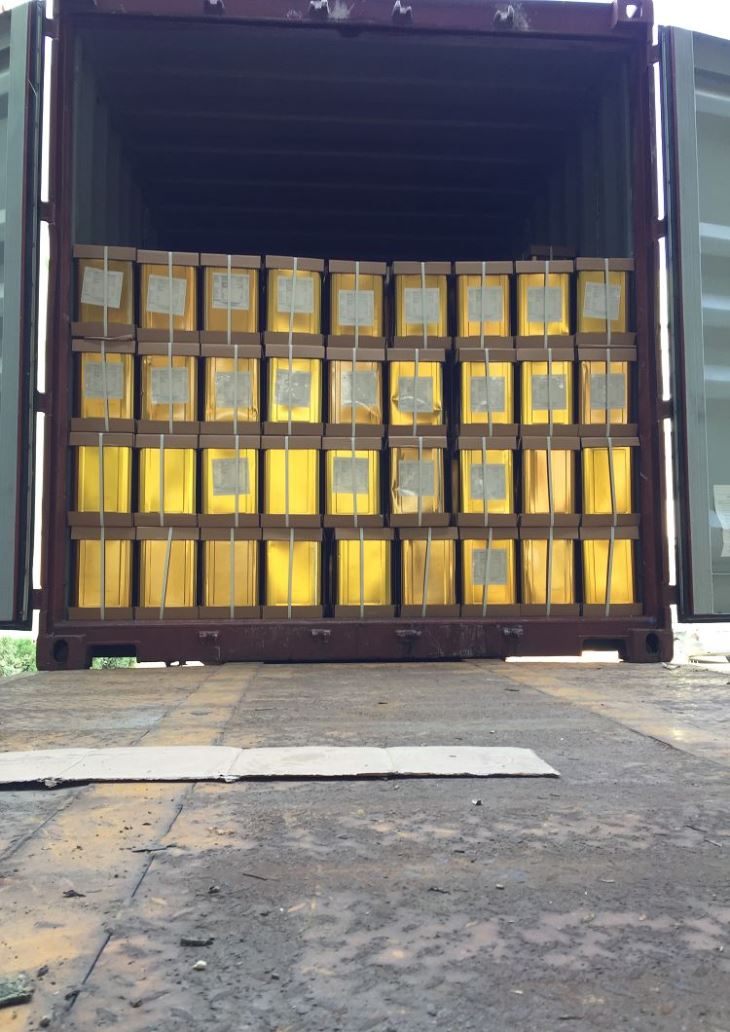
Our 18 L Tangerine Orange Sacs have a wide range of applications. They are ideal for making Tangerine Orange Sacs for Fruit Jam. The natural flavor and aroma of the tangerine oranges make the jam delicious and appealing. The 18 L size is suitable for commercial food manufacturers, who can use the sacs in large - scale production.
We also offer 18 Kg Tangerine Orange Sacs and 18 Kg Tangerine Orange Sacs with 6 Brix. These products are popular among customers who need a larger quantity of tangerine orange sacs. The 6 - Brix option provides a specific level of sweetness, which can be tailored to different production requirements.
Contact Us for Procurement
If you are interested in purchasing our 18 L Tangerine Orange Sacs, we encourage you to get in touch with us. We are more than happy to discuss your specific needs and provide you with detailed product information. Whether you are a small - scale food producer or a large - scale commercial enterprise, we can offer you high - quality products at competitive prices.
References
- Codex Alimentarius Commission. (2023). Maximum Residue Limits for Pesticides. Retrieved from relevant Codex official documents.
- FAO (Food and Agriculture Organization of the United Nations). (2022). Good Agricultural Practices for Citrus Fruits. Rome: FAO.
- WHO (World Health Organization). (2021). Pesticide Residues in Food - Evaluation and Risk Assessment. Geneva: WHO.