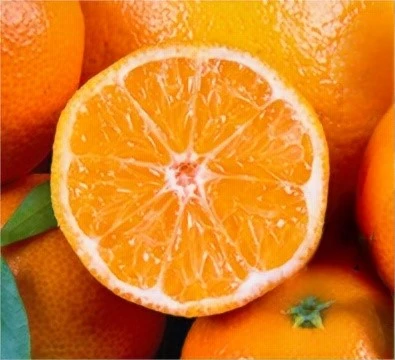
I used to love popping those tiny, translucent bubbles while peeling an orange, watching the juice burst out and my palm instantly cool. It was only when I grew that I learned that these structures, which resemble water balls, are called sacs, and they are the fruit's own micro-reservoir system for storing water. Thisenious design in the plant kingdom is now subtly changing our dining tables, skincare products, and even more fields.
Behind the sweet temptation of preserved fruits, is the credit of the sacs. In traditional processes, dried fruits often become shriveled after long cooking, because high temperatures destroy the integrity of the sacs.
However the modern food industry has learned to treat them gently – the low-temperature vacuum immersion technology allows honey, sucrose solution to seep into the sac gap quietly, just like inject spring water into each little reservoir. The burst of juice on the tip of the tongue when peeling a sour plum is a physical reaction caused by the sudden rupture of sac under pressure. This "fresh-keeping" wisdom is even applied to space food, and the astronauts chewing on freeze-dried strawberries can still recreate the juicy taste just-picked fruit from the orchard.
The core technology of those creams labeled "explosive juice texture" on the skincare counter may come from thes of the pomelo. In the laboratory, it was found that the semi-permeable membrane structure of the sacs can slowly release the wrapped essence like a smart valve to the temperature and humidity of the skin.
This bionic design allows hyaluronic acid, ceramides, and other moisturizing stars to not evaporate all at once traditional lotions, but to keep the stratum corneum moisturized for 8 hours. More interestingly, after nanoscale treatment, the remains of the sacs also form a breathable protective film on the skin surface, just like wearing a breathable moisturizing suit for dry skin.